Faro, the beaches and good food
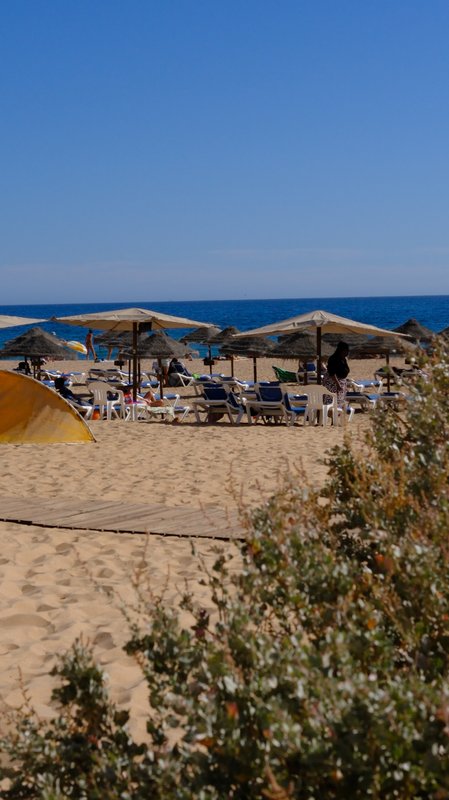
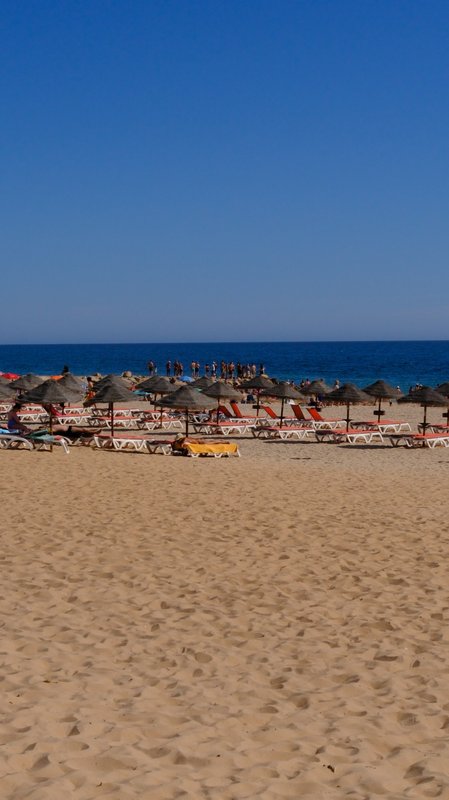
End of summer on the Algarve — sun by the beach, long lunches of good seafood, reading a book and relaxing, and a few quiet little towns to go and find. In between, the walled old town of Faro, the bell tower you can climb, and the coast either side of it.
Inside the walls
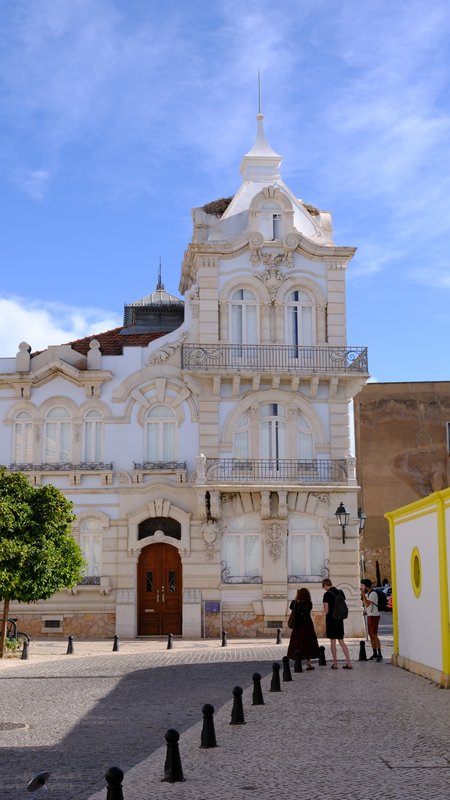
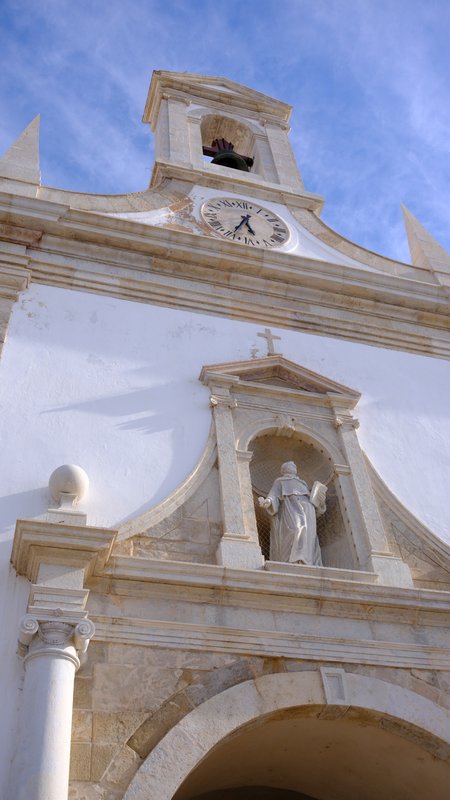
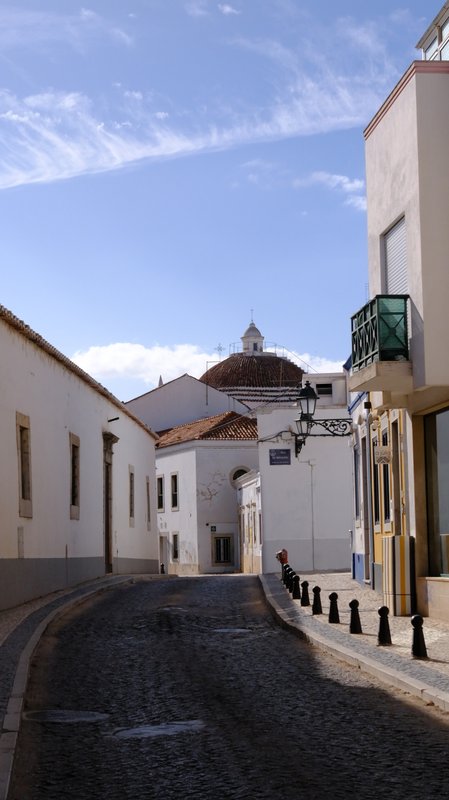
Faro keeps its oldest quarter behind a wall, and you enter through a single arch. Inside: a cobbled square, orange trees, a cathedral front, and lanes narrow enough to touch both sides.
The climb
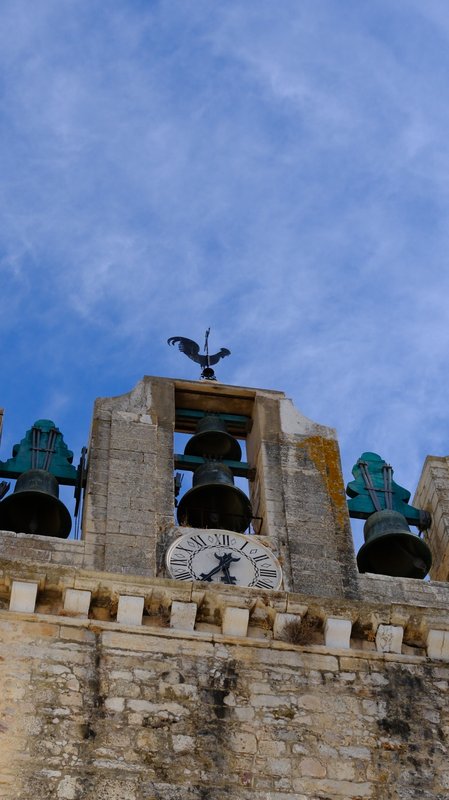
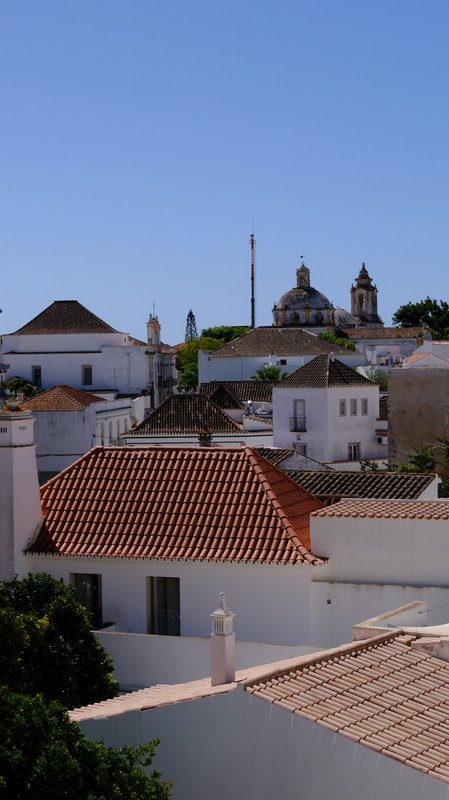
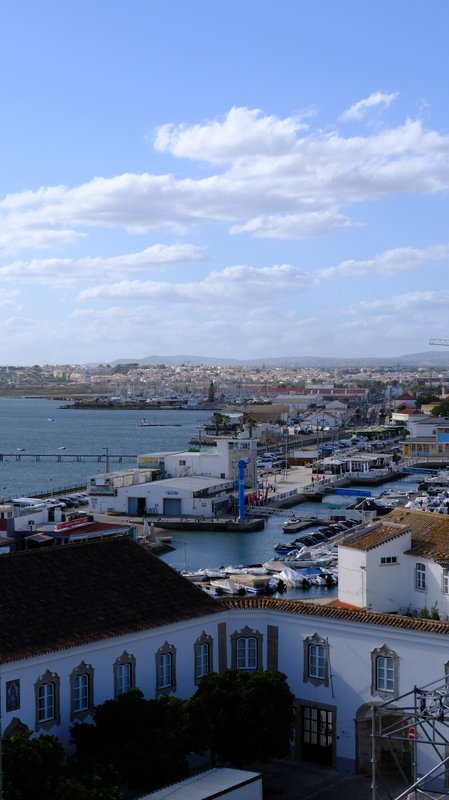
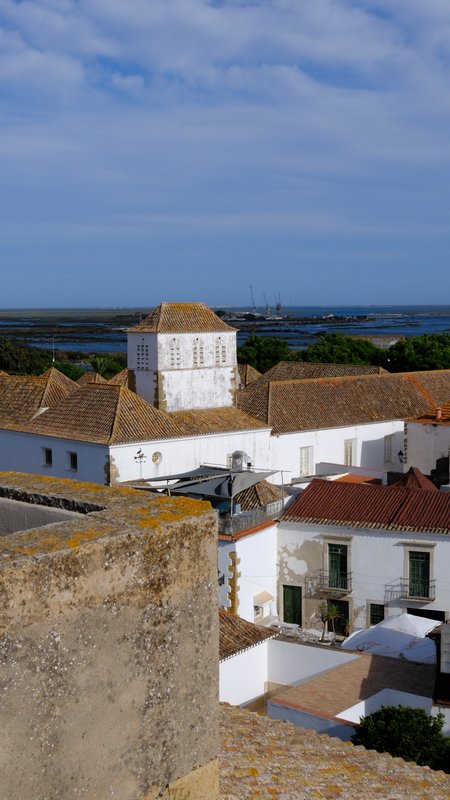
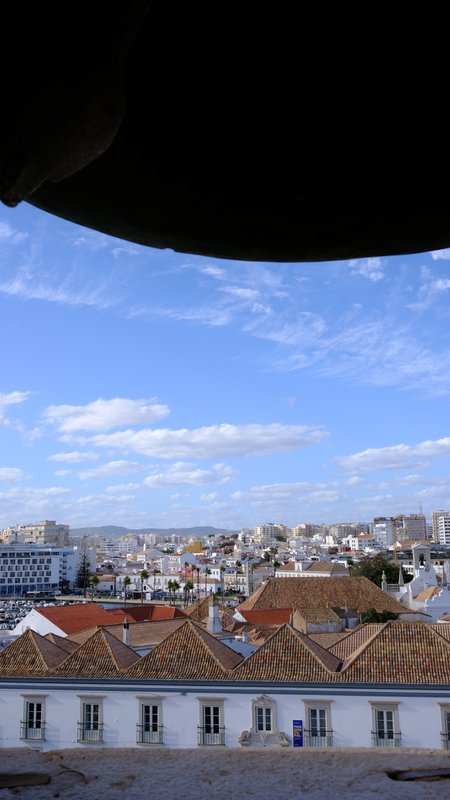
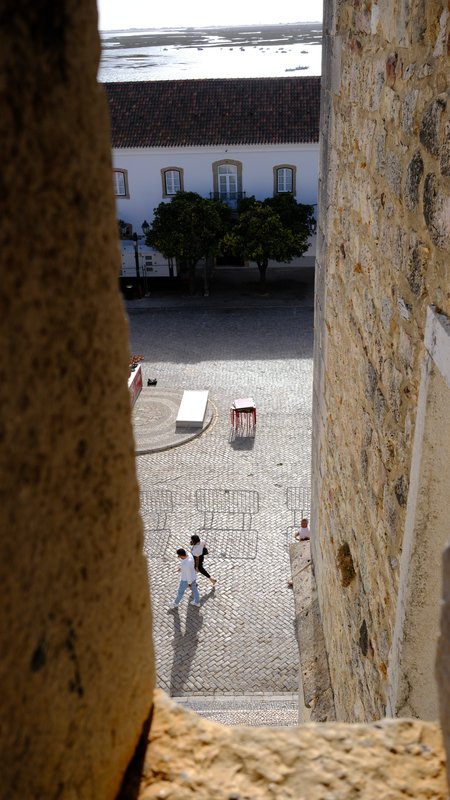
The bell tower is open, and the stairs are tight enough that you go up one at a time. At the top the town flattens into terracotta, the vast Ria Formosa lagoon opens out behind it, and you can see all the way to the beach in the distance.
Gold in the dark
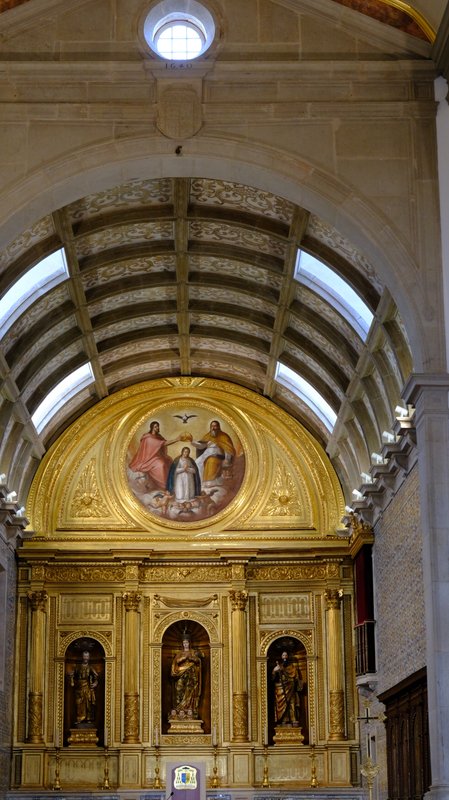
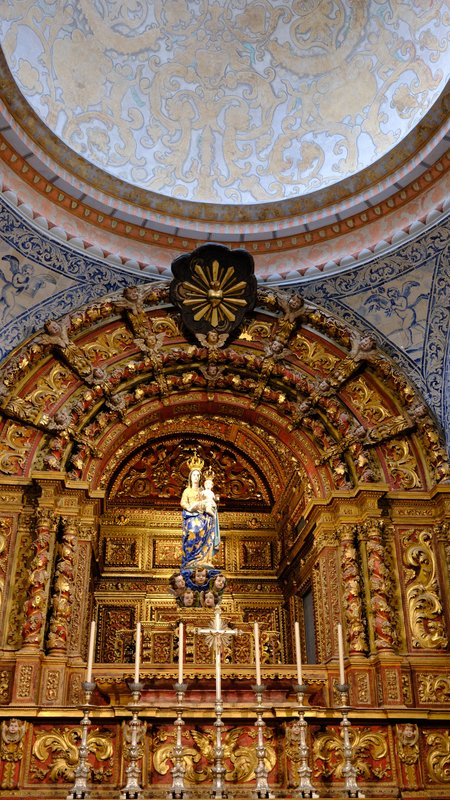
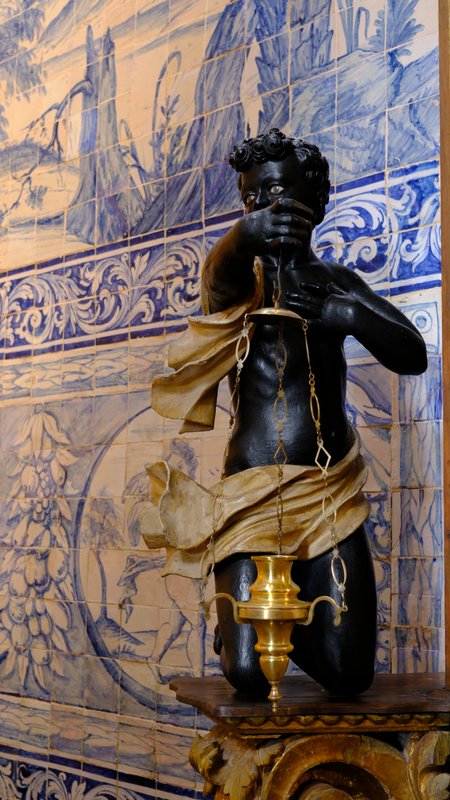
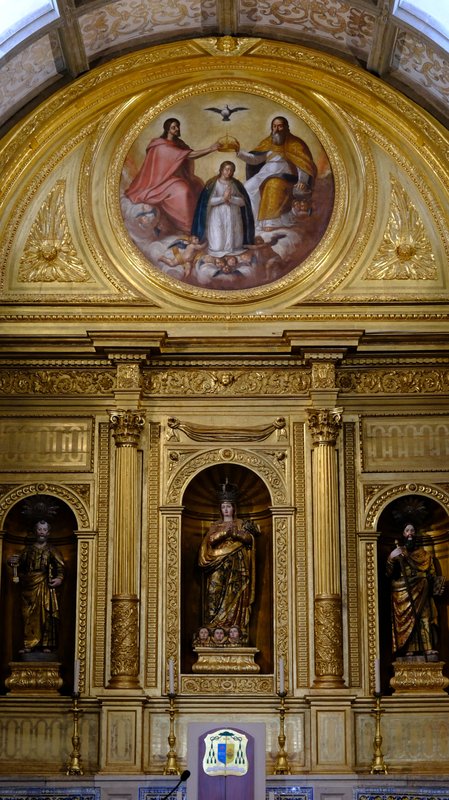
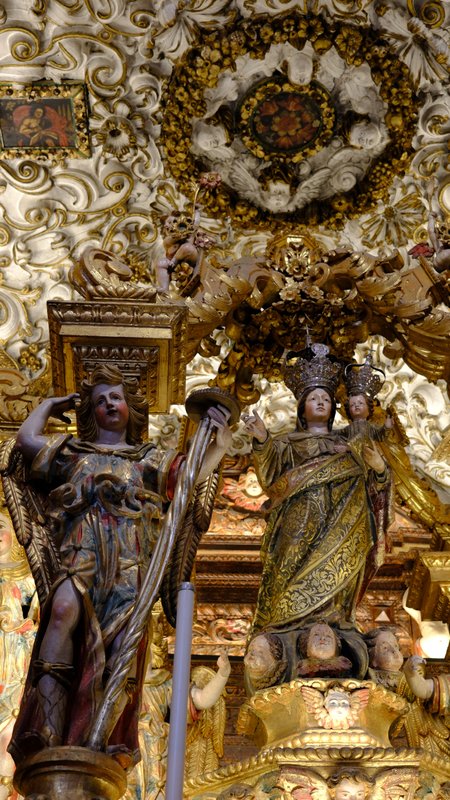
Back down, the cathedral is dark and cool after the square outside. Almost everything you look at is a statue — saints standing in gold altarpieces, a Madonna under a painted dome, and carved figures against blue-and-white tiles.
Down at sea level
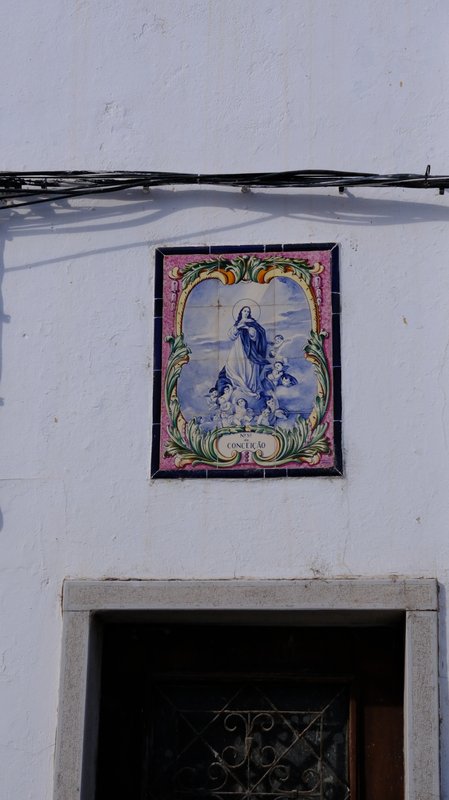
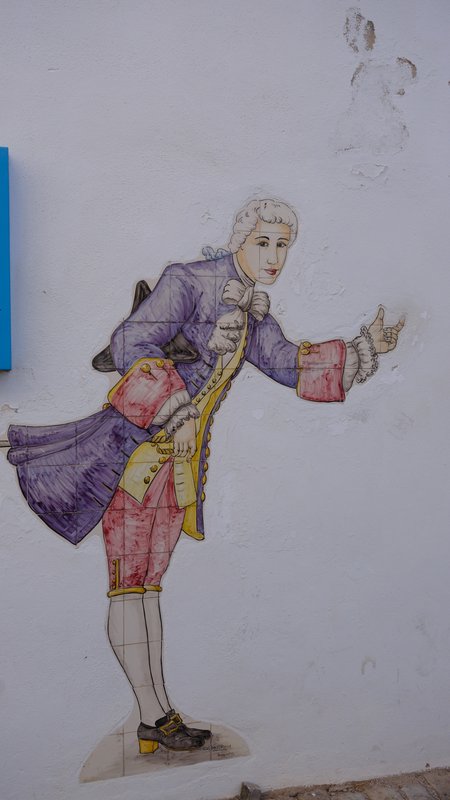
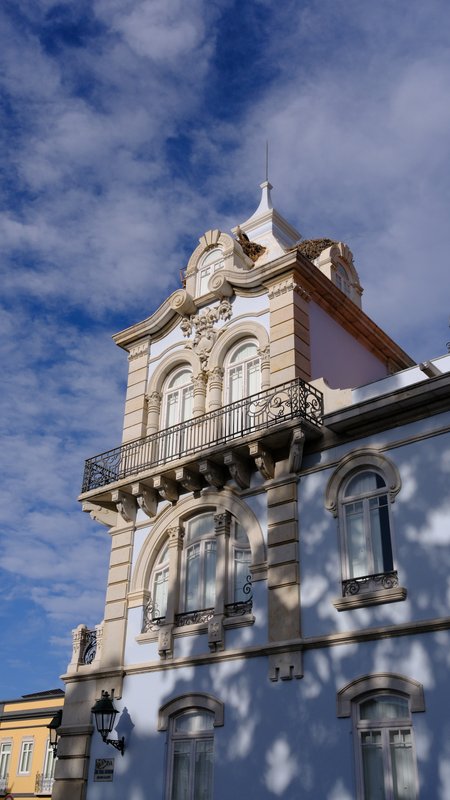
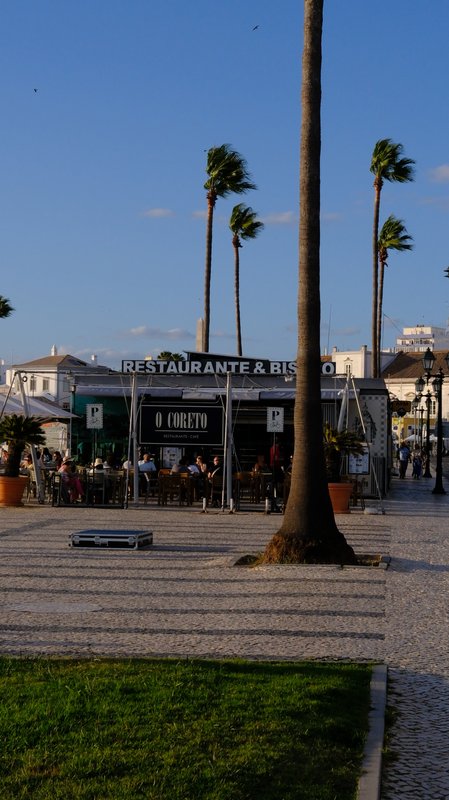
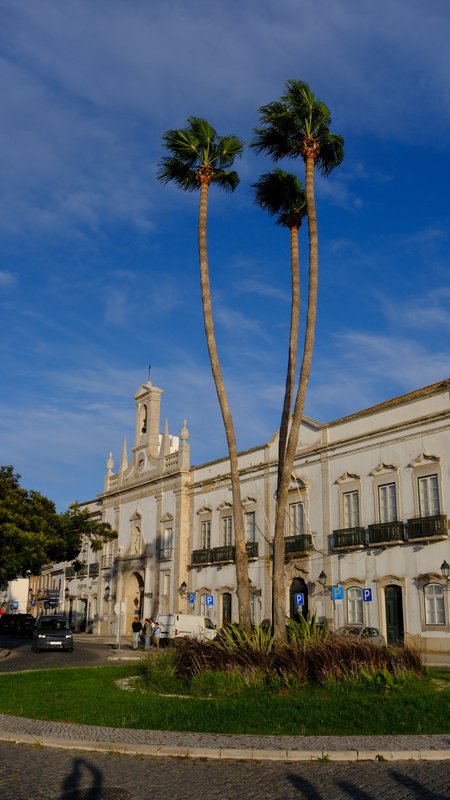
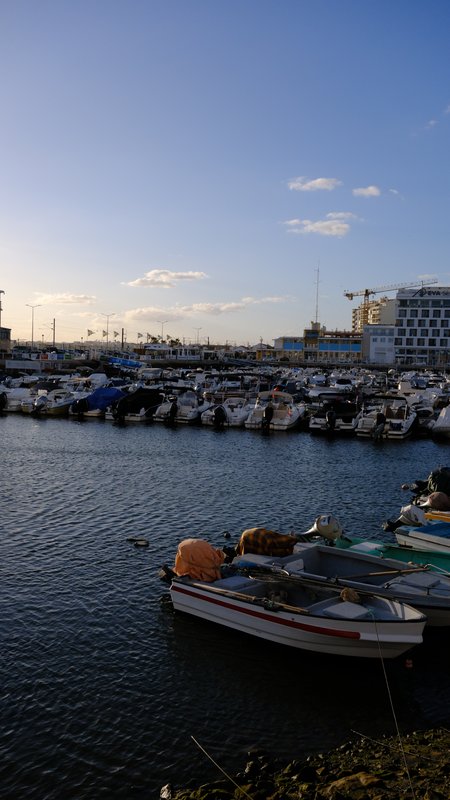
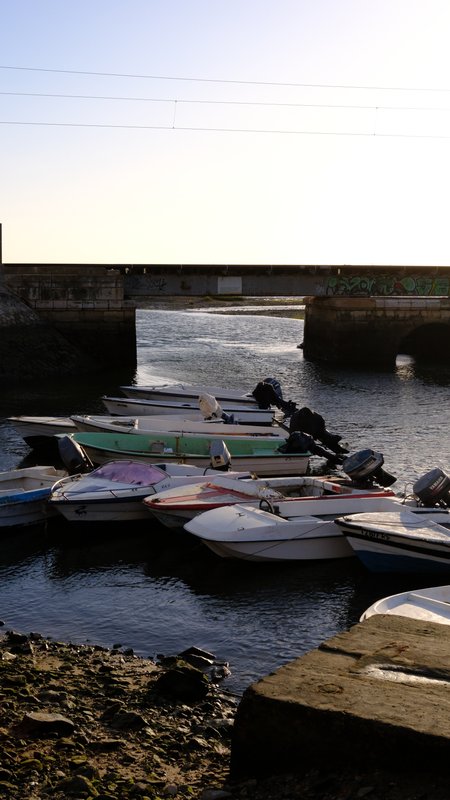
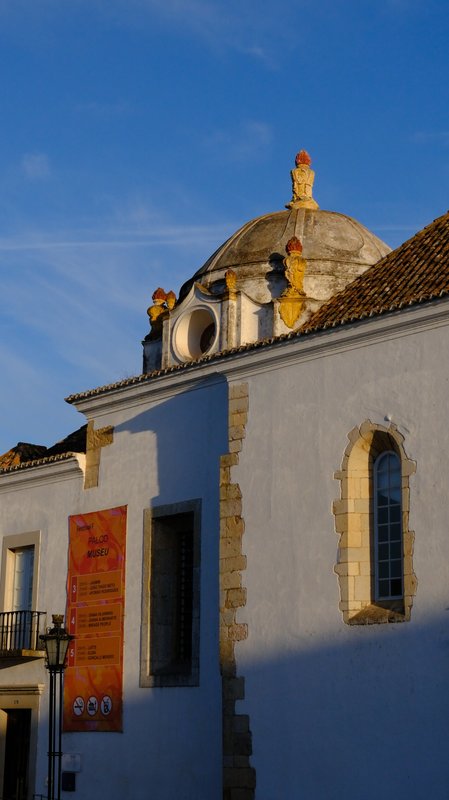
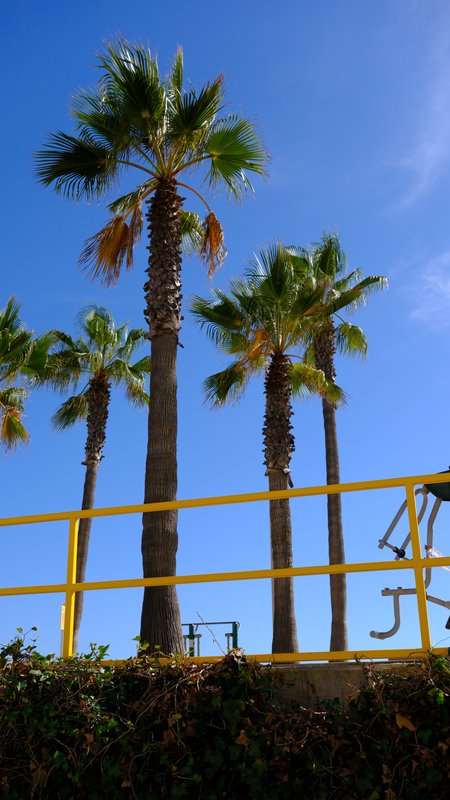
Outside the walls Faro is a working town: a painted figure on a wall, a Baroque front against a hard blue sky, palms in the garden by the water. By evening the boats sit still.
East to Tavira
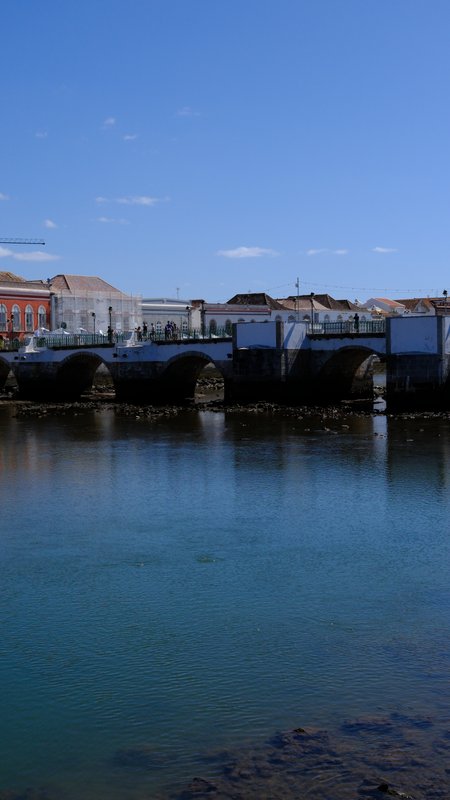
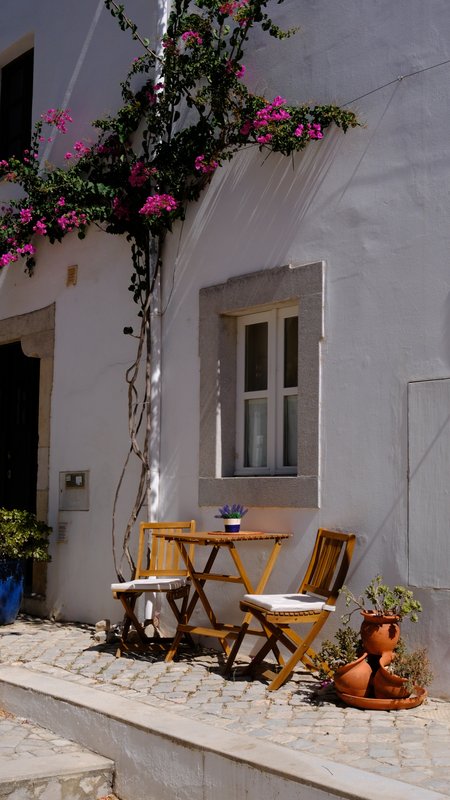
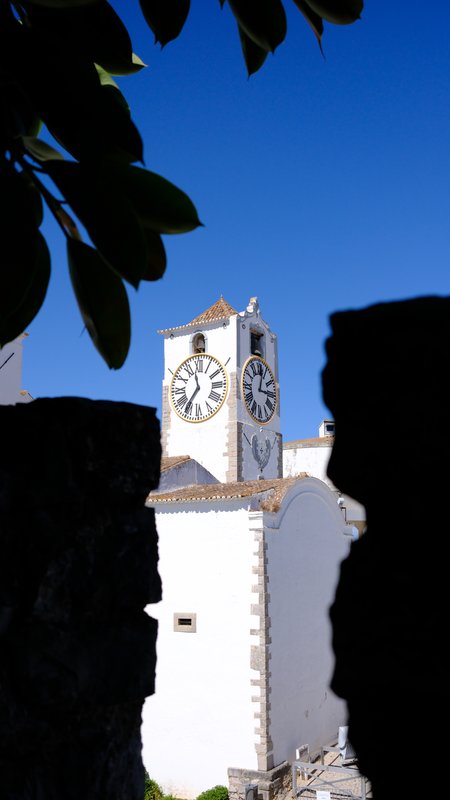
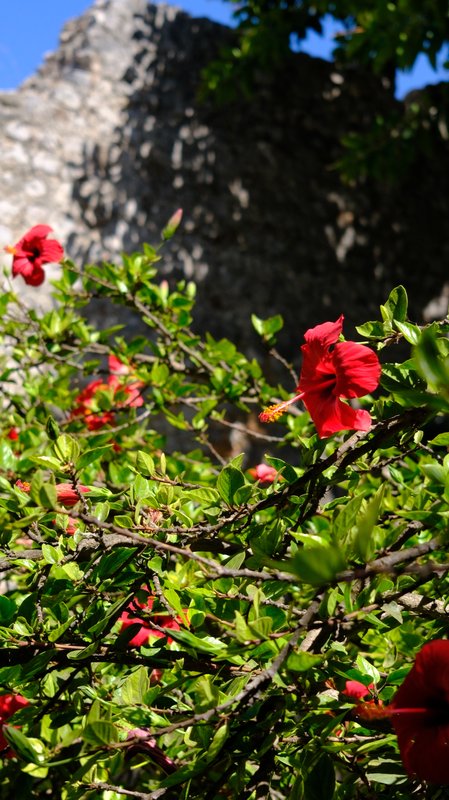
Thirty-odd minutes east. Tavira is built on both banks of the Gilão, joined by an old low bridge, and the whole town is calm and quiet.
West to Quarteira
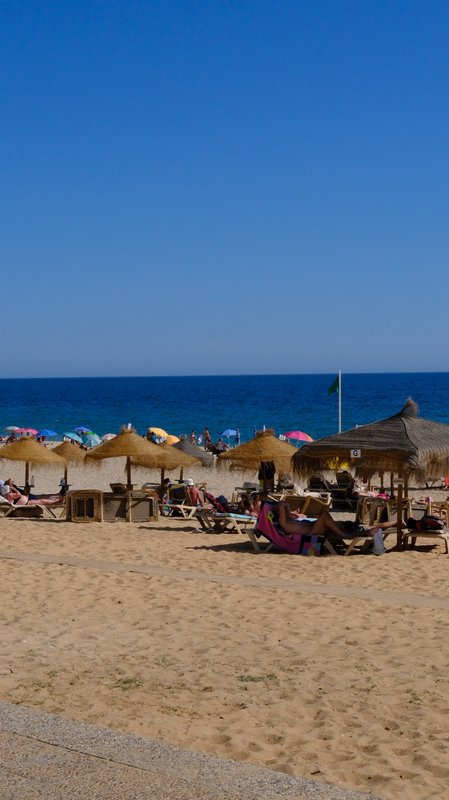
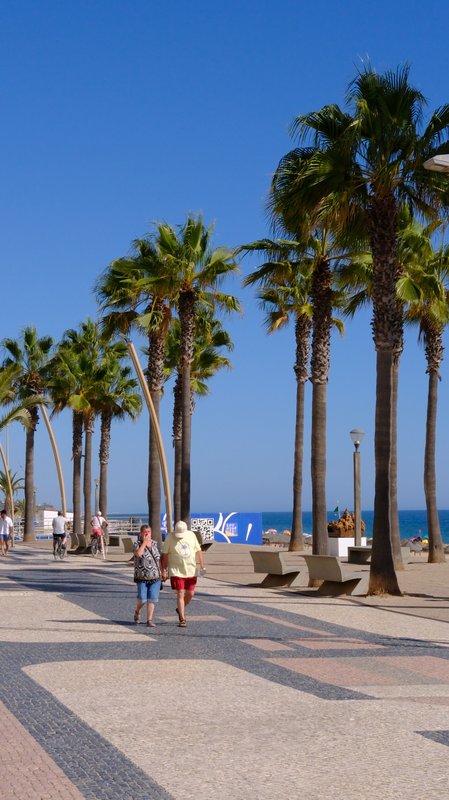
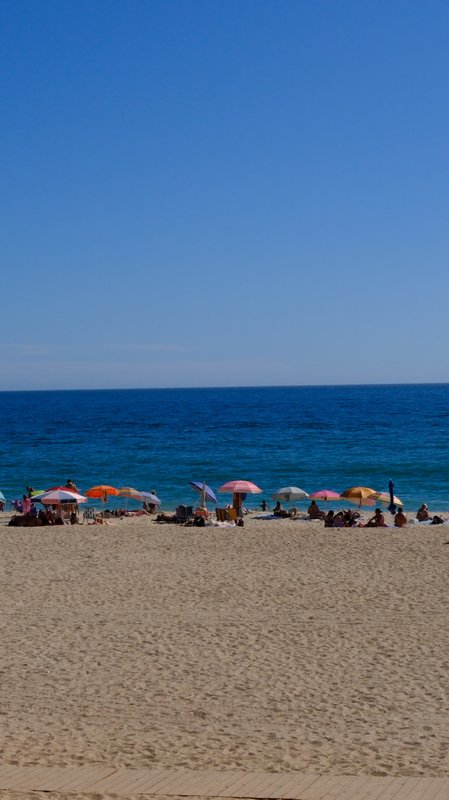
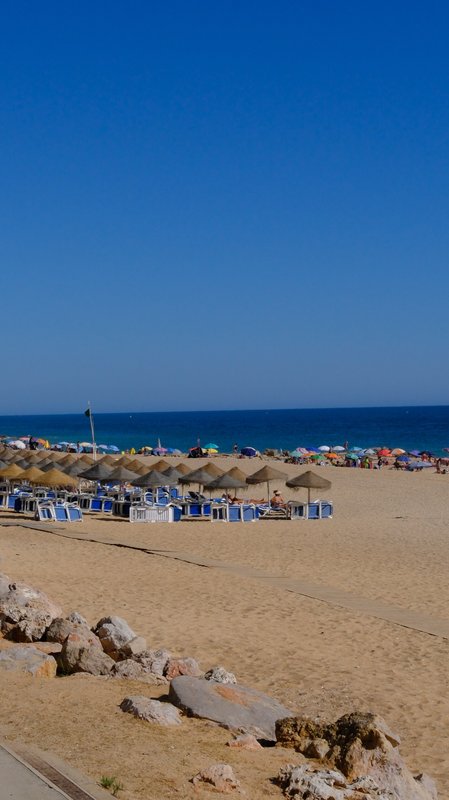
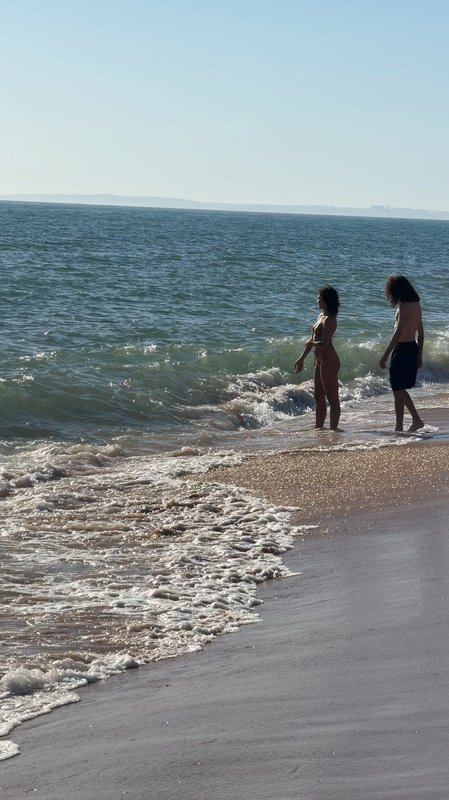
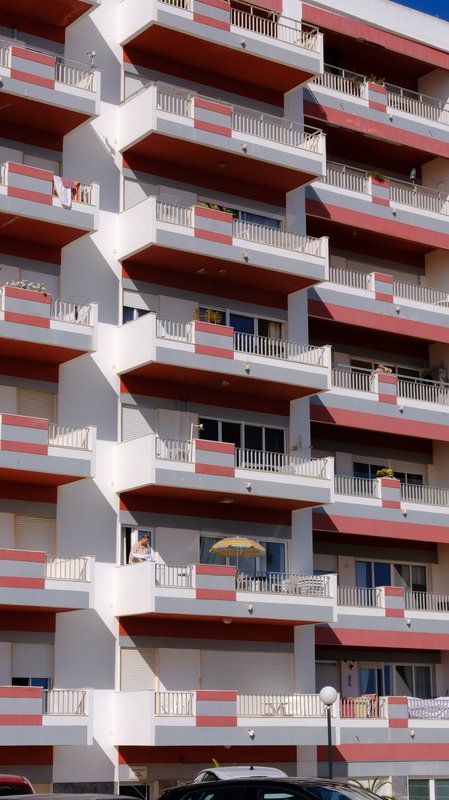
West of Faro the coast turns to promenade. Palms the whole length of the boulevard, striped balconies behind them, and people out enjoying the sun, the beach and the sound of the Atlantic.
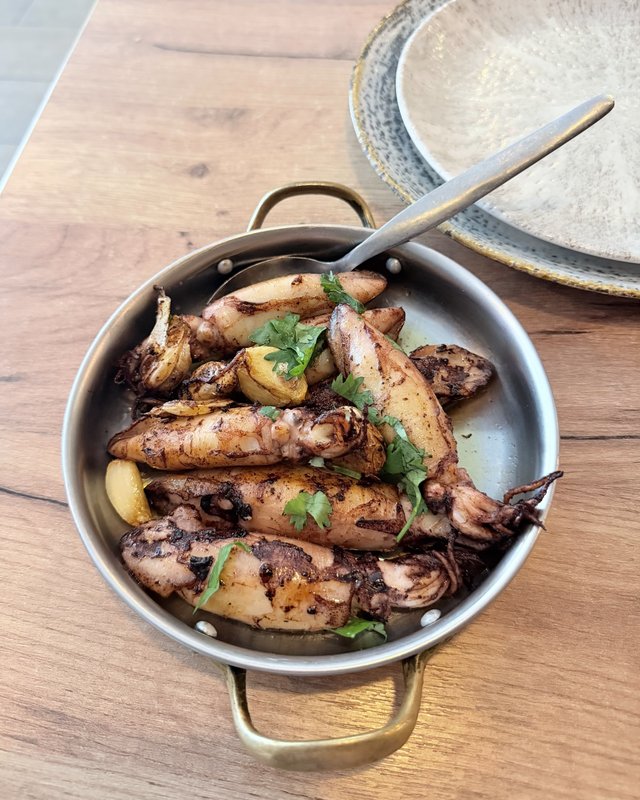
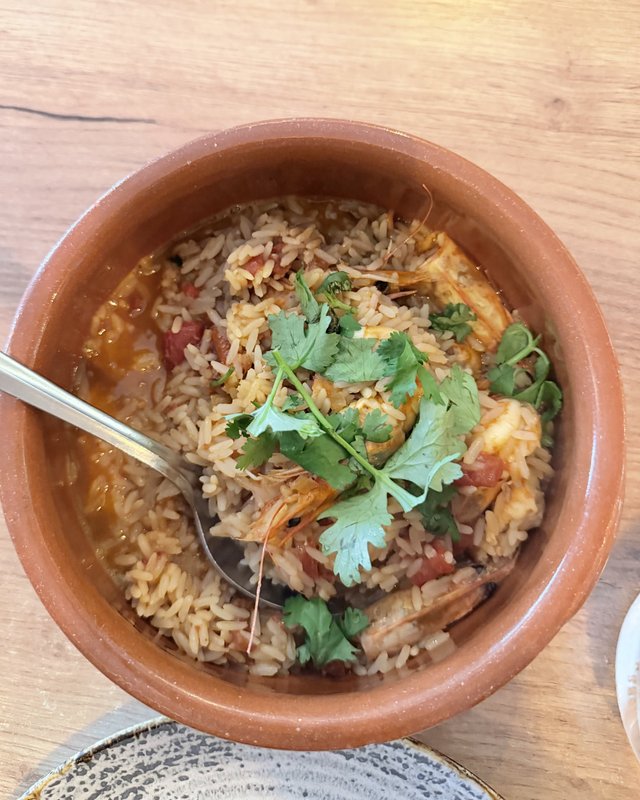
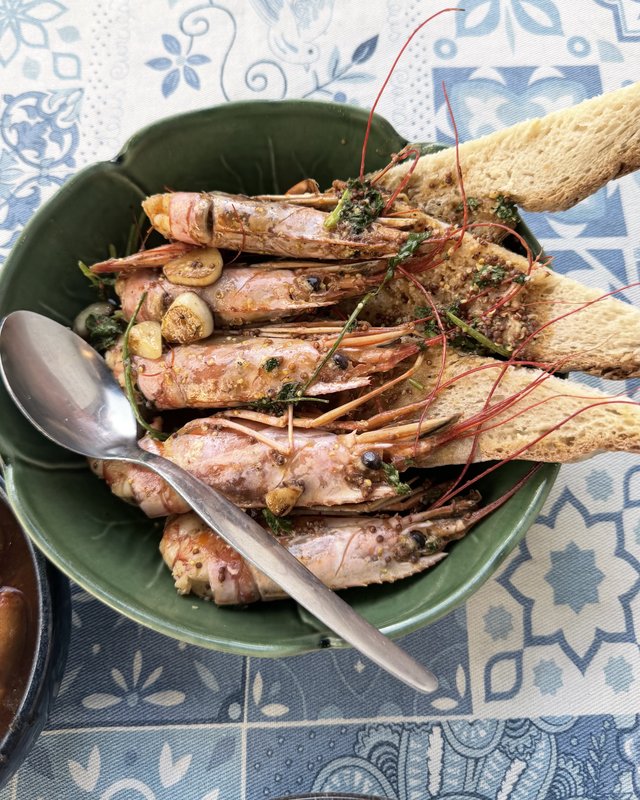
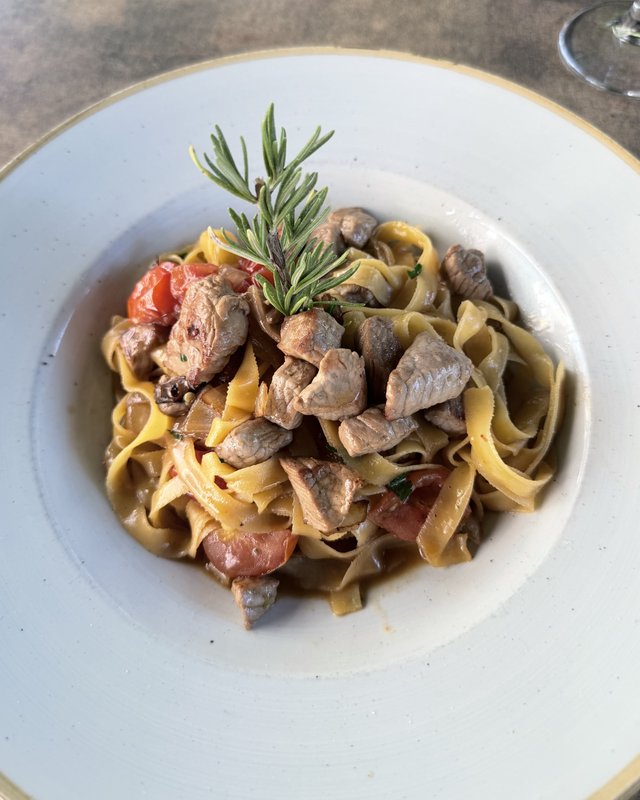
What was on the table
Lunch was usually the whole plan. Squid fried and brought out in the pan it cooked in, shrimps buried in rice under a fistful of coriander, more shrimps fried whole and eaten with bread and your fingers. Then one evening, tagliatelle Firenze — veal, not a shell in sight — just for the change. This is most of why I would go back.